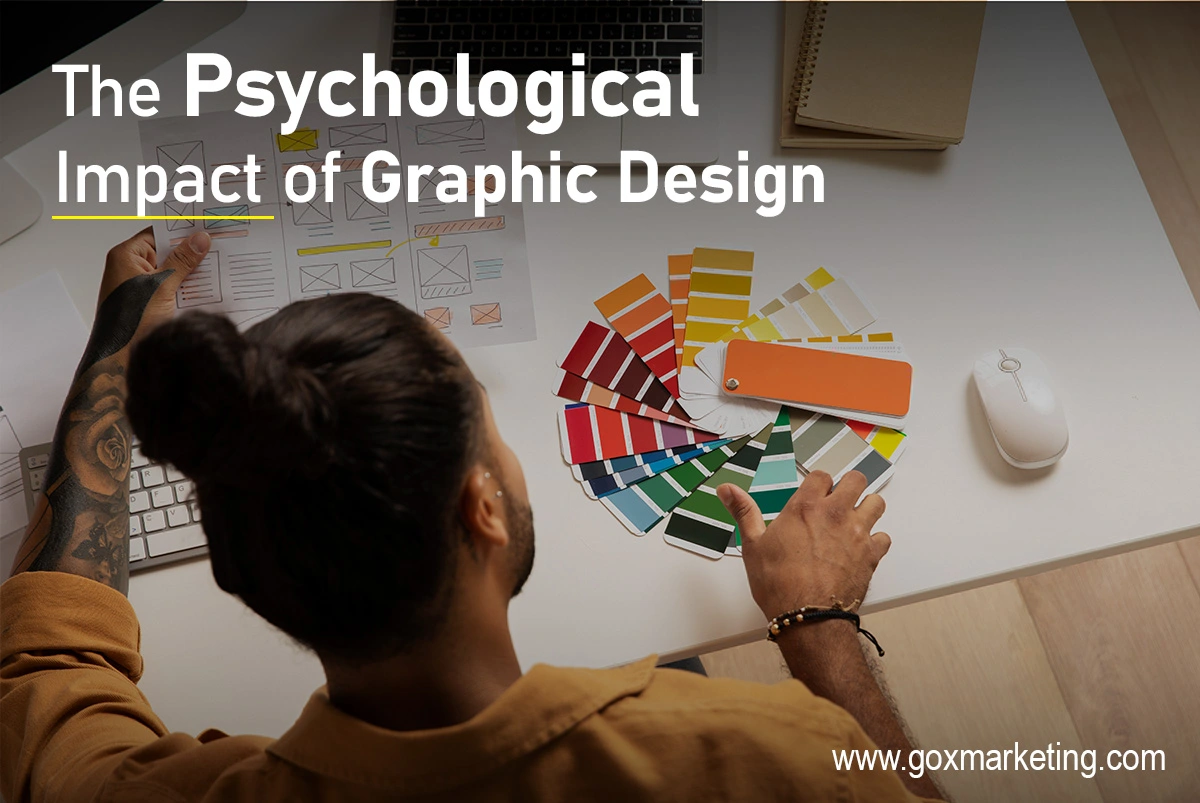
In the realm of digital marketing, understanding consumer behavior is key to creating effective strategies. Graphic design plays a significant role in influencing this behavior by tapping into psychological principles that affect how consumers perceive and interact with a brand.
Color Psychology:
Colors have a profound impact on human emotions and can influence purchasing decisions. For instance, red can evoke excitement and urgency, making it effective for clearance sales, while blue can convey trust and reliability, suitable for financial services. By strategically using color psychology in graphic design, brands can elicit desired emotional responses and guide consumer actions.
Visual Hierarchy:
Graphic design utilizes visual hierarchy to direct the viewer’s attention to the most important elements first. This is achieved through the use of size, color, contrast, and placement. Effective visual hierarchy ensures that key messages, such as calls to action, are prominently displayed, enhancing the likelihood of conversion. By structuring information in a visually appealing way, brands can improve user experience and engagement.
Typography and Readability:
The choice of fonts and how they are arranged can significantly impact readability and perception. Clean, easy-to-read fonts can make information more accessible, while decorative fonts can add personality but should be used sparingly. Typography influences how consumers interpret the tone of the message, with bolder fonts often perceived as more authoritative and lighter fonts as more approachable.
Imagery and Emotional Connection:
Images can create strong emotional connections, making the brand more relatable and memorable. High-quality, relevant imagery can evoke feelings of happiness, nostalgia, or even aspiration, influencing consumer attitudes and behaviors. By choosing visuals that resonate with the target audience, brands can strengthen their emotional appeal and build deeper relationships with consumers.
Brand Perception and Trust:
Consistency in graphic design across all marketing channels builds brand recognition and trust. When consumers encounter a cohesive visual identity, they are more likely to perceive the brand as professional and reliable. This trust can lead to increased customer loyalty and higher lifetime value.
Conclusion:
Graphic design is more than just visual aesthetics; it is a powerful tool that influences consumer behavior through psychological principles. By leveraging color psychology, visual hierarchy, typography, and imagery, brands can effectively shape perceptions, evoke emotions, and drive consumer actions. Understanding and applying these principles in digital marketing strategies can lead to more successful and impactful campaigns.


